

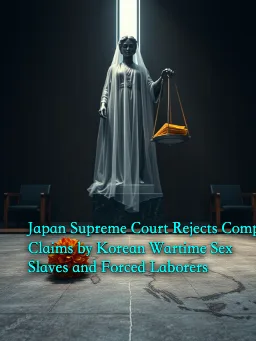
Case Summary
On April 10, 2026, the Supreme Court of Japan rejected a damages lawsuit filed by 35 South Korean plaintiffs, including former "comfort women" who were forced into sexual slavery and Korean men conscripted as soldiers for the Imperial Japanese Army during World War II. The plaintiffs sought 20 million yen each in compensation and an official apology for their suffering, marking the end of a 13-year legal battle. Presiding Justice Osamu Tsuno ruled that the postwar Constitution does not envision compensation for damages caused by Japan during war. The brief two-minute ruling was met with shouts of dissatisfaction from the plaintiffs.
Status or Result:
The Supreme Court of Japan dismissed the lawsuit, ruling that the postwar Constitution does not provide for individual compensation for damages caused by Japan during war. This decision effectively ended the plaintiffs' 13-year legal battle.
Key Disputes
Whether the Japanese government is liable to compensate individual Korean victims for wartime atrocities, or whether such claims were extinguished by the 1965 Treaty on Basic Relations between Japan and the Republic of Korea, which settled all wartime compensation issues at the state level.
Social Impact
The ruling intensified diplomatic tensions between Japan and South Korea, sparked protests from civic groups and victims' advocates, and drew international criticism regarding Japan's handling of historical wartime accountability and human rights issues.
Google Ads
Adapted Novels (1)
Feedback & Corrections

No comments yet. Be the first to comment!